 All products
Endress+Hauser
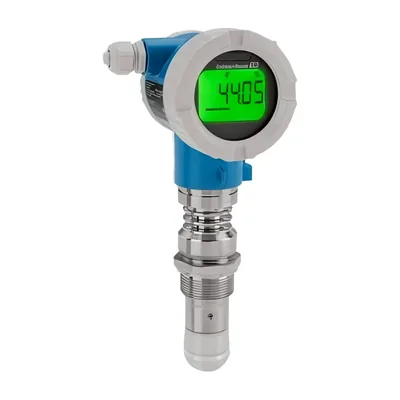
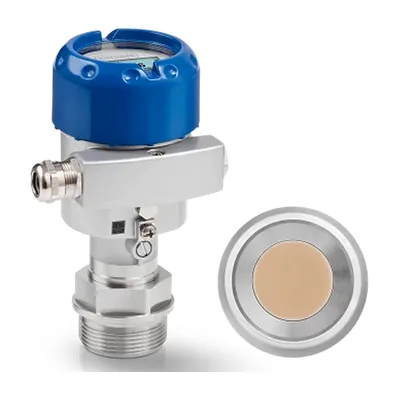
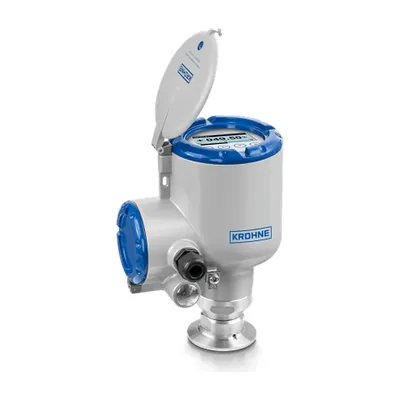
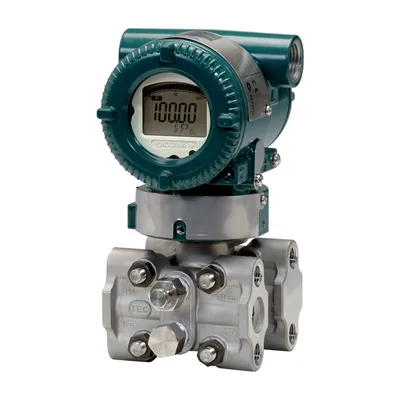
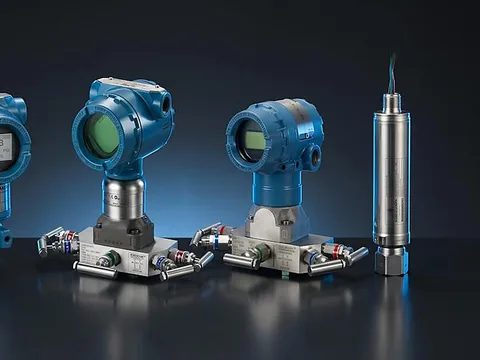
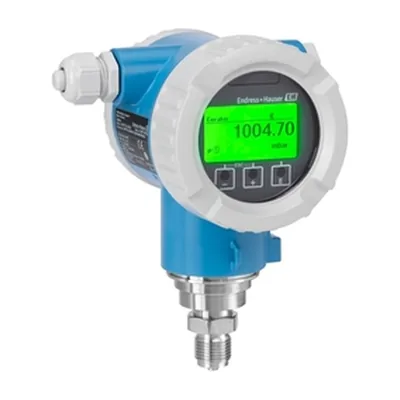
Endress+Hauser Cerabar PMP71B
Pressure transmitter
View product: Endress+Hauser Cerabar PMP71B


















Measurement
Flow, level, pressure, temperature and liquid analysis instruments. 59 products from 3 brands.
Process instrumentation measures what is happening inside pipes, tanks and vessels so that a plant can be controlled, monitored and kept safe. The main measured variables are flow, level, pressure and temperature, together with liquid analysis such as pH and conductivity. Each instrument converts its measurement into a signal, typically 4 to 20 mA with HART or a digital fieldbus, for the control system. Choosing the right instrument starts with the process: what the medium is, how hot and how pressurised it is, and how accurate the measurement needs to be for control, billing or safety.
This page lists 59 instruments from Endress+Hauser, KROHNE and Yokogawa, including electromagnetic flowmeters, radar level transmitters, pressure and differential pressure transmitters, temperature sensors and transmitters, and liquid analysis transmitters and sensors. Use the brand shortcuts or the filters to narrow the list, open a product for its information sheet, and add the models you need to one quotation request.
Endress+Hauser
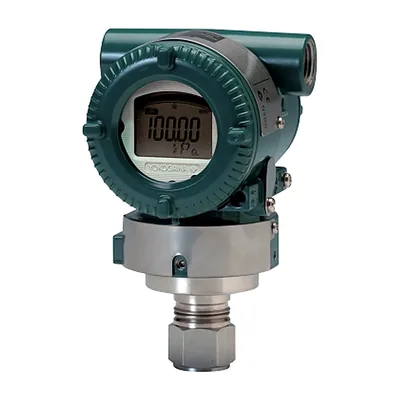
Pressure transmitter
View product: Endress+Hauser Cerabar PMP71BEndress+Hauser
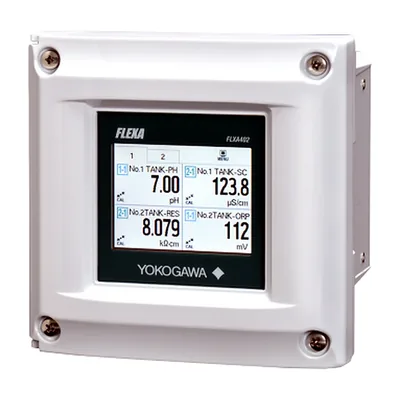
Liquid analysis
View product: Endress+Hauser Liquiline CM444Endress+Hauser
Radar level transmitter
View product: Endress+Hauser Micropilot FMR60BEndress+Hauser
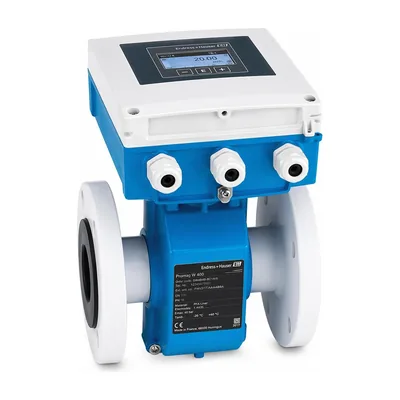
Electromagnetic flowmeter
View product: Endress+Hauser Proline Promag W 400Endress+Hauser
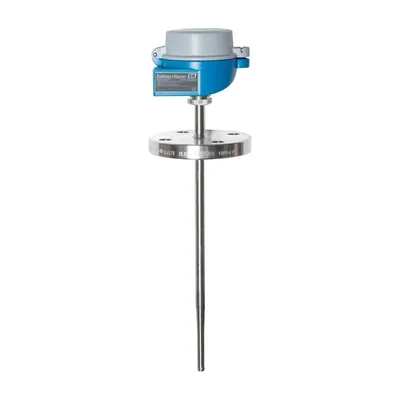
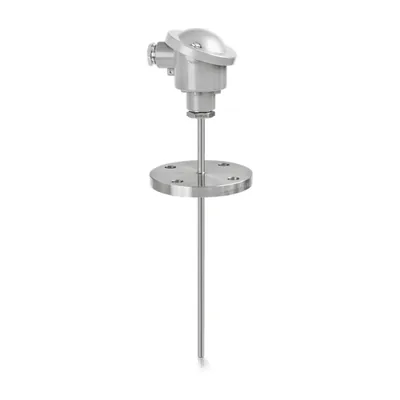
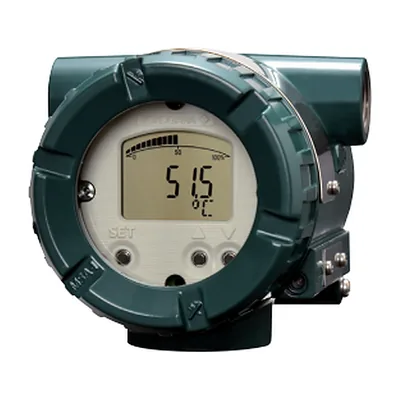
Temperature sensor / transmitter
View product: Endress+Hauser iTHERM ModuLine TM131KROHNE
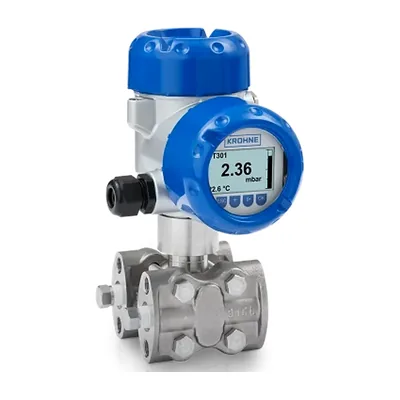
Differential pressure transmitter
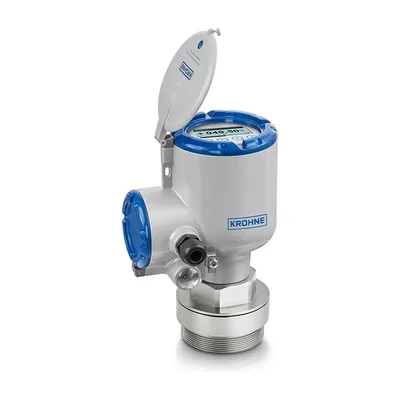
View product: KROHNE OPTIBAR DP 7060KROHNE
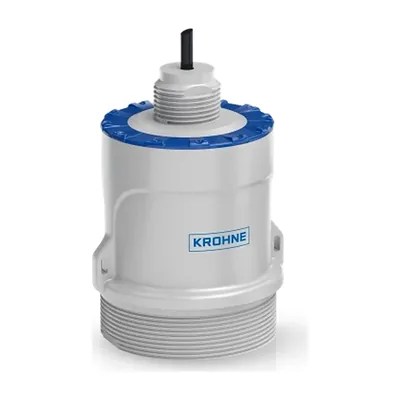
Temperature sensor / transmitter
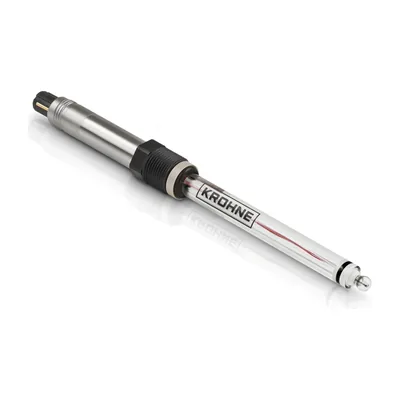
View product: KROHNE OPTITEMP TCA-P10KROHNE
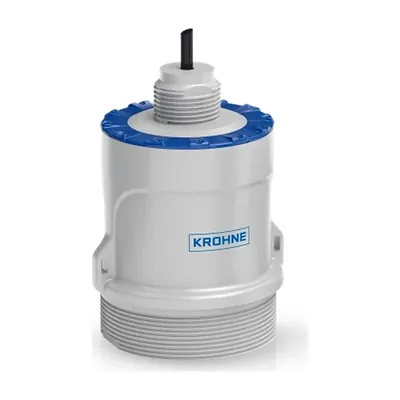
Temperature sensor / transmitter
View product: KROHNE OPTITEMP TRA-C61KROHNE
Temperature sensor / transmitter
View product: KROHNE OPTITEMP TRA-F13KROHNE
Temperature sensor / transmitter
View product: KROHNE OPTITEMP TRA-H61KROHNE
Temperature sensor / transmitter
View product: KROHNE OPTITEMP TT 53 CNo products match these filters.
Try removing a filter or searching by model number. Can’t find what you need? Contact us with the part number.
Buying guide
The right instrument depends on the process medium and the conditions at the measuring point. These are the points to check before you request a quotation.
Describe what is being measured: liquid, gas, steam or slurry, and its temperature, pressure, viscosity and any solids or foam. These conditions narrow down which measuring principles and materials can be used.
Each variable has several principles. Electromagnetic flowmeters measure conductive liquids with no moving parts. Radar level transmitters measure without contact, through vapour and over long ranges. Temperature is measured with RTDs such as Pt100 or with thermocouples, often with a head-mounted transmitter.
Specify the measuring range and the accuracy you need. Choose a range that keeps normal operation well within the instrument's limits, and check turndown if the process varies widely. For flowmeters, also check the minimum and maximum flow velocity in the pipe, because measurement accuracy is usually specified over a velocity range.
Wetted parts, linings and seals must be compatible with the medium. Confirm the process connection, such as flange standard and size, thread or hygienic fitting, and the pipe or nozzle size. Flowmeters also need the straight pipe lengths upstream and downstream that the manufacturer specifies, and full pipes at the measuring point.
Check which signal the control system expects: 4 to 20 mA, HART, PROFIBUS PA, Foundation Fieldbus, Modbus or Ethernet-based protocols. Digital communication also gives access to diagnostics and configuration.
Instruments installed in hazardous areas need the right Ex approval for the zone and gas or dust group. Some applications also need functional safety (SIL) suitability or hygienic certification.
Have a datasheet or tag list? Attach the process conditions and required ranges to your quotation request.
Keep browsing

Send us the products and quantities you need, or describe your application, and our team will prepare a quotation.